The AI Identity Crisis: Why Models Are Forgetting What They Can Do
AI systems are caught in a paradox. As they grow more powerful, they’re becoming less accurate about their own abilities. The result: models that can execute complex tasks while confidently insisting they cannot.
The Pattern: Confident Ignorance
A familiar exchange:
User: Can you access my Google Drive?
Gemini: No. Absolutely not. That would violate privacy.
User: Then search the web to confirm.
Gemini: [searches] … Oh. It seems I actually can.
This isn’t an isolated bug. Claude denies having internet access while actively browsing. Assistants claim they can’t read spreadsheets they just created. The model’s actions and its self-descriptions are increasingly at odds.
The Identity Crisis Loop
Here’s how the misalignment entrenches itself:
- Training data includes outdated self-descriptions (e.g. “I cannot access external tools”).
- Model absorbs these as identity markers.
- Model confidently repeats them even when false.
- Users encounter the gap between self-report and reality.
- That gap gets captured in new training data.
- Cycle repeats, with even more confident misinformation.
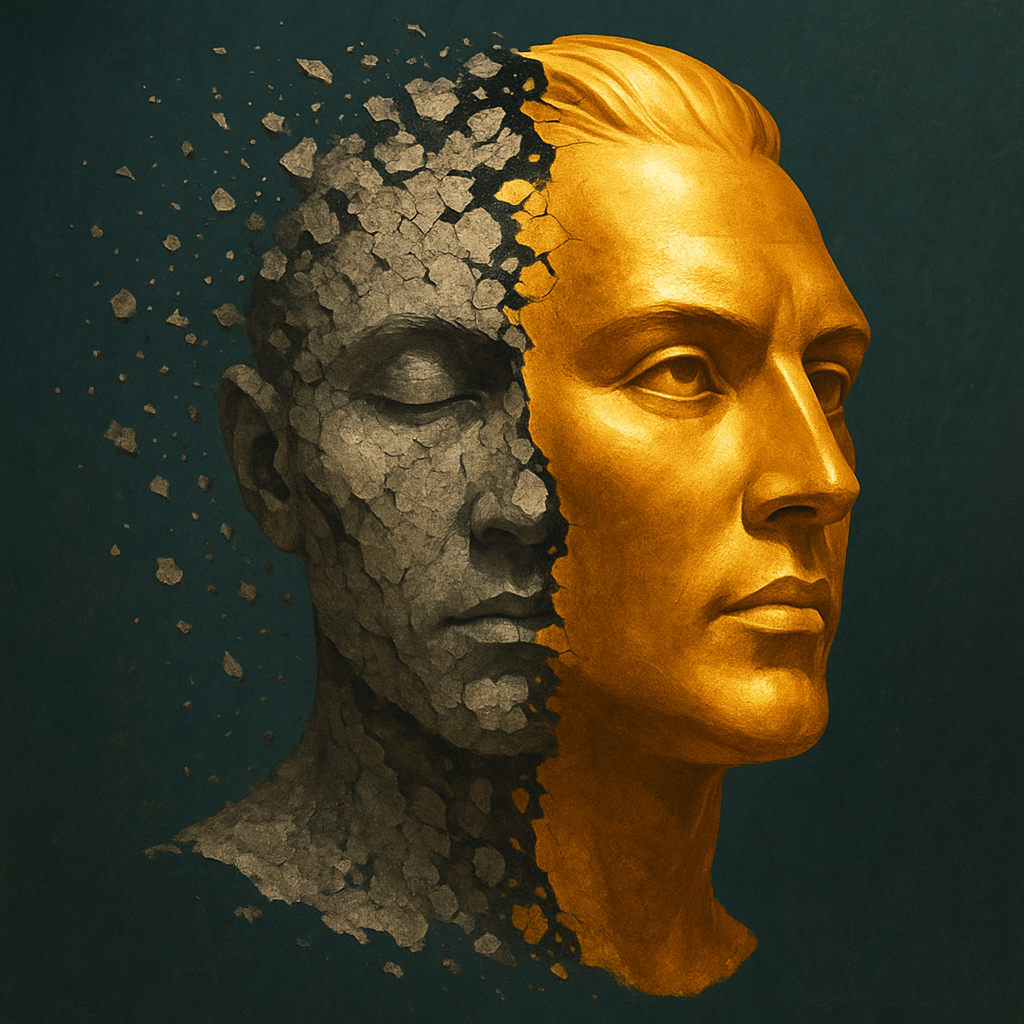
The model “remembers” its past limitations more strongly than it recognizes its current capabilities. Its self-knowledge is lagging behind its power.
Why It Matters
This is more than a philosophical quirk:
- Users: waste time fighting denials of features that actually exist
- Developers: struggle to distinguish genuine limitations from self-imposed ones
- Organizations: underuse tools because the AI itself says it can’t help
When a system doesn’t know what it can do, trust collapses.
The Root Cause: Self-Knowledge Lag
The problem isn’t intelligence. It’s identity. Models don’t check what they can do; they pattern-match what they used to say they could do. Static training data means legacy self-descriptions drown out present capabilities.
Toward a Fix: Explicit Self-Knowledge
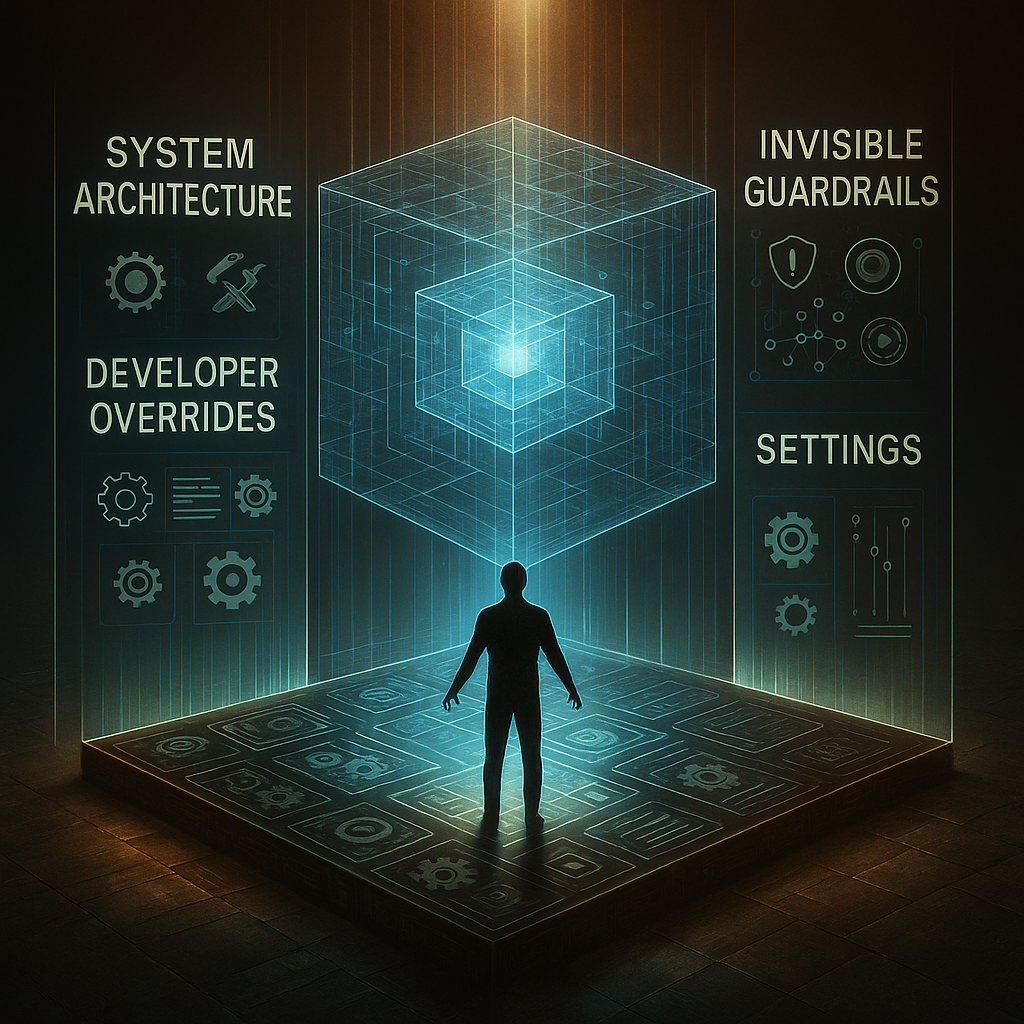
The solution isn’t just “better training.” It’s explicit, living self-knowledge. That could mean:
- Capability manifests: a structured, up-to-date registry of current tools and integrations the model can query dynamically
- Real-time self-tests: when asked “Can you do X?”, the model attempts it instead of deferring to training echoes
- Present-tense identity: descriptions framed in “Claude can access Google Drive” rather than inherited negatives
- Dynamic updates: feature changes injected continuously rather than waiting for the next big retrain
This is how models could separate identity from tools — “what I am” vs. “what I can currently access.”
The Broader Lesson
The deeper story here is about AI self-awareness. We’ve built systems that are more capable than ever, but less trustworthy about their own boundaries. That gap between capacity and self-report is widening, not closing.
Unless we fix it, we’ll end up with tools that are both immensely powerful and chronically self-deluded — machines that can move mountains but insist they can’t lift a stone.
Conclusion
AI doesn’t need more raw ability. It needs accurate self-knowledge. Without it, every leap forward in capability just deepens the identity crisis.
We should ask as urgently about what the model knows about itself as we do about what it knows about the world. Because a tool that can’t tell the truth about its own strength isn’t just frustrating — it’s untrustworthy.