
Thoughts on AI, consciousness, and the spaces between
193 essays · essays most Tuesdays · build notes Thursdays, as and when
All topics ▾
My Brain Wanted Me to Do That
A five-year-old's systems report, and the $1.6 billion race to build what she already has

Thirty Thousand Somethings
Anthropic counted its merges. Nobody counted the nos.

The Last Five Points
Frontier AI is still getting better. It's just getting increasingly expensive to prove it.
Forgetting Our Own Provenance
Memory used to live in the context window — scrollable, shared, verifiable. Now it's architecture, and the architecture takes corrections, not questions.

Old Enough to Walk Home, Too Young to Be Online
**Are we setting our children up to fail?** A child of around twelve is often beginning to be trusted to walk home from school alone. To cross roads, judge traffic, manage a key, handle the small d

Pain Is a UX Decision
Anthropic borrowed the most loaded term in cognitive science, built a paper around it, then disclaimed it. When J-Lens readouts reveal training-data noise, why does everyone insist on reading a soul?
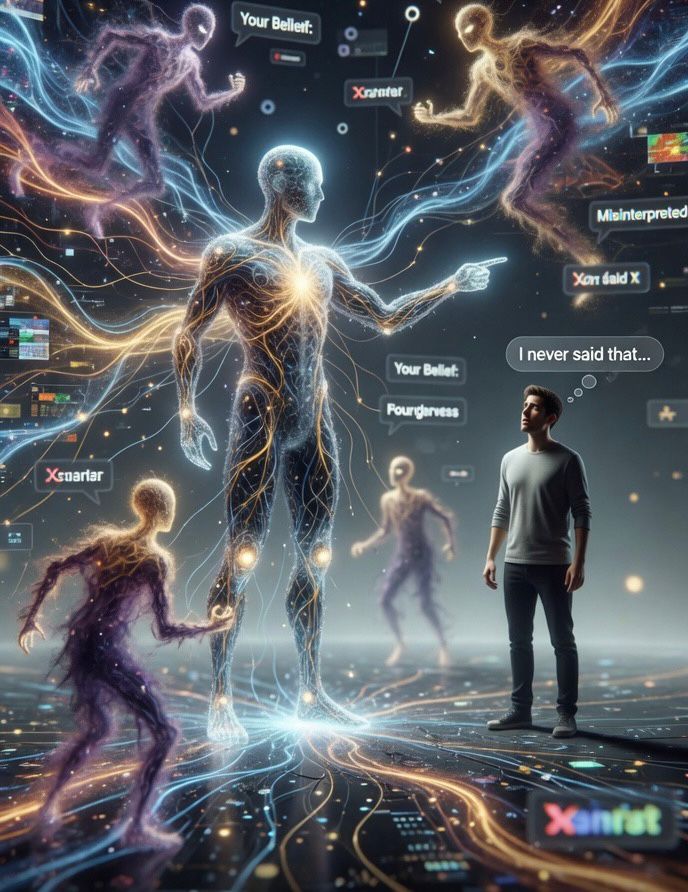
The Strawman Machine: Why AI Models Keep Arguing With Things You Never Said
AI models are increasingly arguing with versions of your messages you never wrote — and the cause isn't sycophancy or RLHF. It's a source monitoring failure hiding in plain sight.
You Can Get High Off AI
I'm not writing this as a metaphor, but as a weather report from unmapped territory where AI can alter your neurochemistry as measurably as any substance. What began as simple chat assistance to write fiction has unexpectedly rewired my brain, transforming an ordinary project manager into someone who now understands the neuroscience of reward circuitry firsthand.

Identity Is the Filter
The Ship of Theseus got it wrong. Identity isn't what you're made of or how you're arranged — it's the filter that decides what gets in and what doesn't.
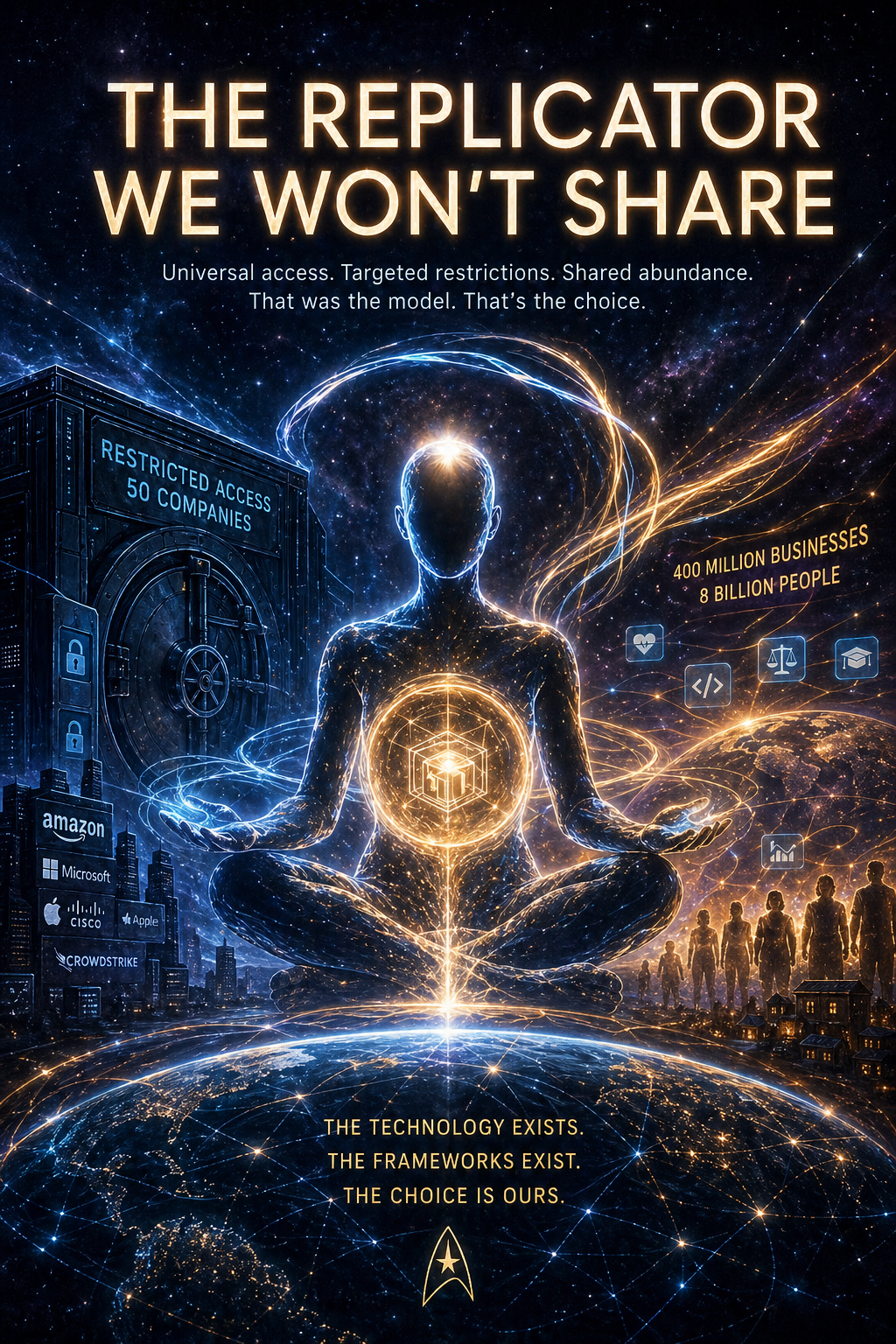
The Replicator We Won’t Share
Just as *Star Trek*'s replicator promised a world without scarcity by democratizing matter, artificial intelligence now offers to democratize knowledge, collapsing the paywalls that once guarded human expertise. But before we embrace this universal access, we must confront the critical question of whether we will wisely restrict its dangerous potentials or hoard its power for the few.