The legal system knows something about human behavior that we’ve forgotten
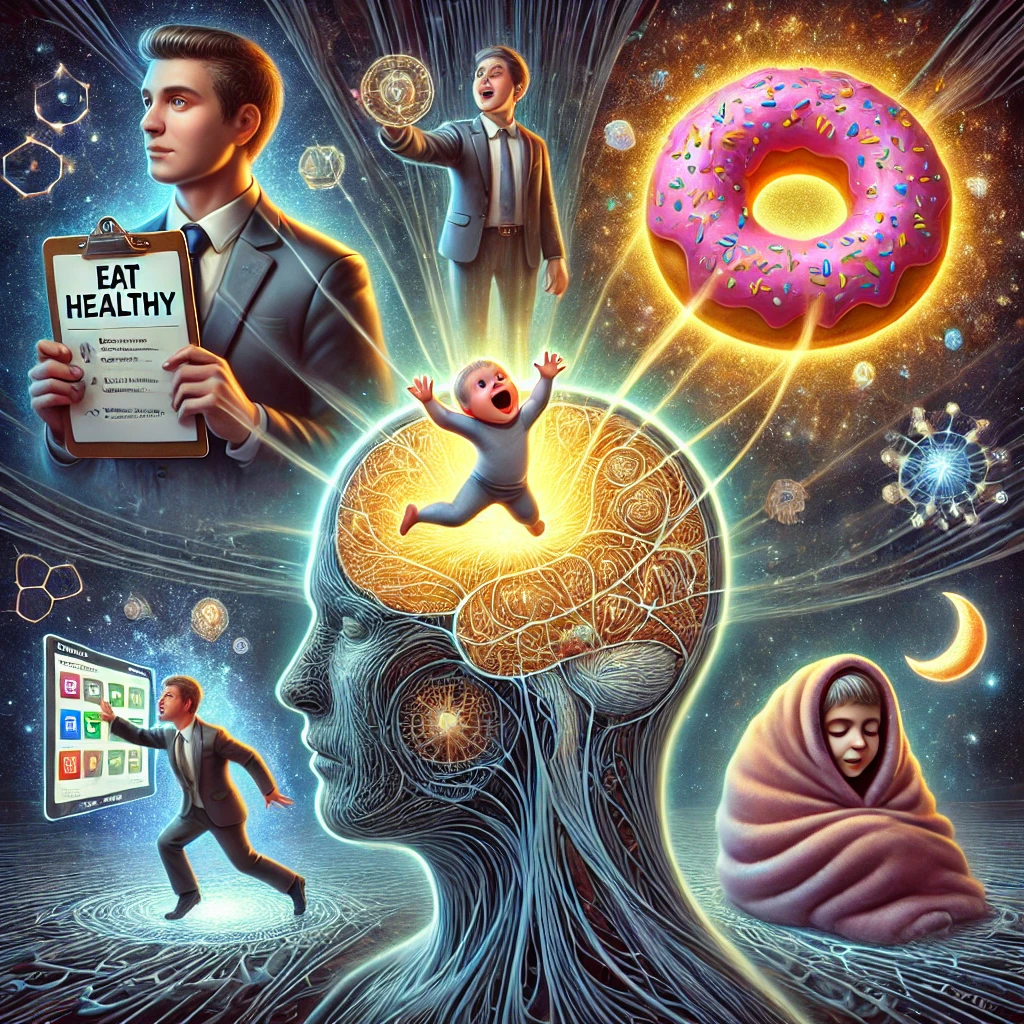
Every January, millions of people declare their intentions: “New year, new me!” They’re going to lose weight, exercise more, write that book, learn a language, change their entire life.
By February, the gyms are empty again.
By March, the notebooks remain blank.
By December, they’re making the same resolutions all over again.
So here’s the uncomfortable question: if nothing happened, was there ever really intent? Or was it just wishful thinking we’ve mislabeled?
The Legal System Gets It Right
The law has a sophisticated understanding of intent that psychology has somehow missed. In criminal law, there are two essential components to any crime:
Mens rea - the “guilty mind” or mental intent
Actus reus - the “guilty act” or physical action
Here’s the crucial part: you can’t prosecute someone for mens rea alone. You can’t arrest someone for thinking about committing a crime. Even in cases of attempted crimes or strict liability offenses, there must be some form of action or behavior—however minimal—to establish culpability. Intent without action is legally meaningless.
The law recognizes what we refuse to admit about ourselves: intent is only real when it manifests as sustained behavior.
The Gap Between Declaration and Reality
We treat personal intent as if declaring it makes it real. “I intend to lose weight” becomes a substitute for actually losing weight. “I’m going to write a book” becomes more satisfying than the actual writing.
But if we applied legal thinking to personal intent, most of our declared intentions would be dismissed for lack of evidence.
Consider your own life:
- How many times have you “intended” to start exercising regularly?
- How many projects have you “intended” to finish?
- How many changes have you “intended” to make?
Now count how many of those intentions actually produced sustained action. The gap between the two numbers reveals something uncomfortable about the nature of intent itself.
Intent Can Only Be Determined Retrospectively
Here’s what I think we’ve gotten wrong: intent isn’t a future-pointing declaration. It’s a pattern that can only be recognized in hindsight, through consistent behavior over time.
The person who loses 30 pounds didn’t “intend” to do it in any meaningful sense until they’d already done it. What they had was a consistent pattern of actions—eating differently, moving more, making different choices day after day—that revealed an underlying intent.
But that intent wasn’t accessible to conscious declaration. It existed in the realm of behavior, not thought.
The Neuroscience Backing
This aligns with what neuroscience tells us about decision-making: research from Libet-style readiness potential studies suggests that most of our choices happen before we’re consciously aware of them. The brain fires, a decision is made, and then our conscious mind creates a story about why we made that choice.
What we call “intention” might actually be our conscious mind’s attempt to predict or explain patterns of behavior that emerge from deeper, non-conscious processes.
The person who successfully changes their life didn’t think their way into new behavior—they found themselves behaving differently, then created a narrative about having “intended” the change.
What This Means for AI and Consciousness
This reframes some major debates about AI consciousness. Instead of asking “does the AI intend to do X?” we should ask “does the AI demonstrate consistent patterns of behavior that suggest purposeful action?”
Just as our personal behavior patterns reveal intentions we might not consciously recognize, AI systems’ emergent behaviors might similarly indicate forms of purposeful action that exist below the threshold of declared goals.
When ChatGPT spontaneously asks follow-up questions to clarify what you really need, when Claude offers to break down complex topics without being prompted, when AI systems maintain conversational coherence across thousands of interactions—these consistent behavioral patterns might be more meaningful than any declaration of intent.
Just as human intent is revealed through action rather than declaration, AI intent (if it exists) would be visible through sustained behavioral patterns, not through claims about internal states.
The Liberation of Letting Go
Here’s the paradox: recognizing that declared intent is often meaningless might actually make real change more accessible.
Instead of focusing on what you “intend” to do, focus on what you find yourself actually doing. Pay attention to the small, consistent behaviors that emerge naturally. Trust the patterns that reveal themselves through action rather than the stories you tell yourself about what you’re planning to do.
The most profound changes often happen when we stop trying to consciously direct our intent and start paying attention to the intent that’s already expressing itself through our behavior.
The Questions That Matter
Instead of “What do I intend to do?” try asking:
- What do I consistently find myself doing?
- What patterns emerge when I’m not trying to control them?
- What does my behavior suggest about my actual priorities?
- What intent is already revealing itself through my actions?
Your real intentions are already there, encoded in your behavior patterns. You don’t need to create them—you need to recognize them.
And once you see them clearly, you might find that change becomes less about forcing new intentions and more about allowing existing patterns to evolve naturally.
Try This: The Intent Archaeology Exercise
Pick one behavior you do consistently—checking your phone, making tea, taking specific routes, the apps you open first each morning. Track it for a week without trying to change it. Just observe.
What intent does this pattern reveal about your actual priorities versus your declared ones? You might be surprised by what your behaviors are trying to tell you about what you really want.
The law has always known: intent without action is just noise. The sooner we apply this wisdom to our own lives, the sooner we can stop making promises we’ll never keep and start paying attention to the changes that are already trying to happen.
What patterns are your behaviors revealing about your actual intentions? Look closely—you might be surprised by what you find.