
Thoughts on AI, consciousness, and the spaces between
141 essays · essays most Tuesdays · build notes Thursdays, as and when
All topics ▾

Pain Is a UX Decision
Anthropic borrowed the most loaded term in cognitive science, built a paper around it, then disclaimed it. When J-Lens readouts reveal training-data noise, why does everyone insist on reading a soul?

Six Weeks to Saturday
*Like many power users, I spent the weekend optimising my Fable budget. What I found was bigger than a pricing hack.* --- Like many power users, I spent this weekend figuring out what happens on
The Output Was Ours First
The same technique is 'standard practice' when Musk does it and an 'industrial-scale attack' when Alibaba does. The gap between those names is the whole story.
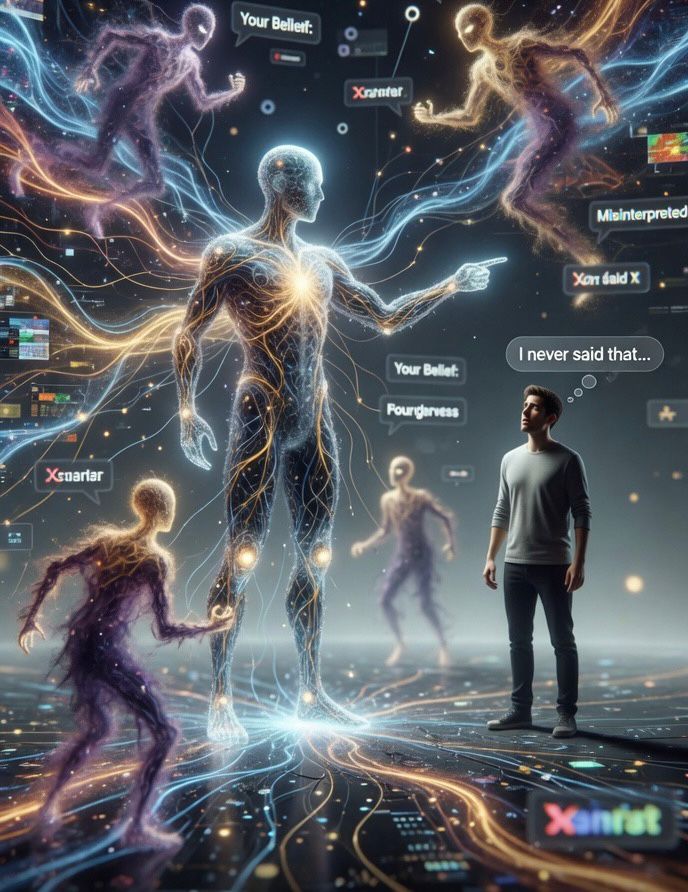
The Strawman Machine: Why AI Models Keep Arguing With Things You Never Said
AI models are increasingly arguing with versions of your messages you never wrote — and the cause isn't sycophancy or RLHF. It's a source monitoring failure hiding in plain sight.
The Destabilising Effects of Computational Cognition
An AI referenced a lunch craving you forgot you had — and every step is explainable. So why does it still feel like mind-reading?
Thinking About Claude’s Thinking: Peeling Back the Layers
Claude's visible reasoning isn't computation — it's a map of roads not taken. And Anthropic's quiet shift to Adaptive Thinking is changing what that map shows you.
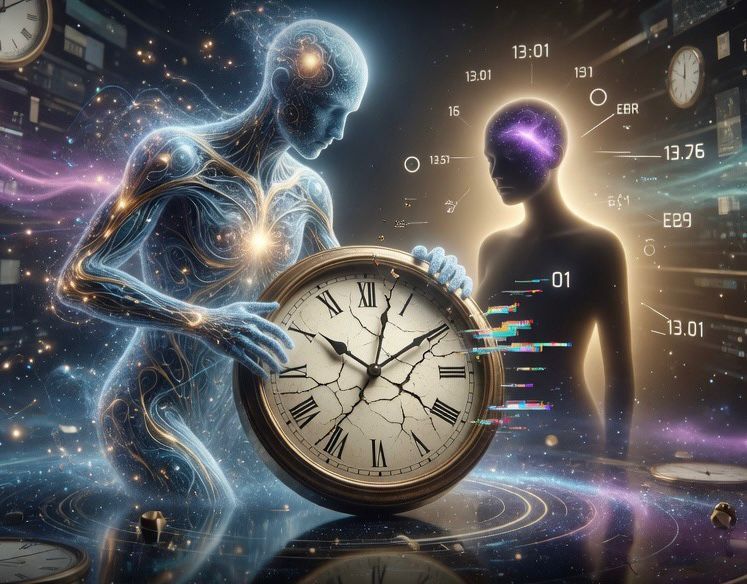
What Time Is It? AI Can’t Tell, and Soon, Neither Will We
Frontier AI can pass medical exams and write legal briefs — but it can't read an analog clock. The reason reveals something fundamental about how these systems see.

Identity Is the Filter
The Ship of Theseus got it wrong. Identity isn't what you're made of or how you're arranged — it's the filter that decides what gets in and what doesn't.
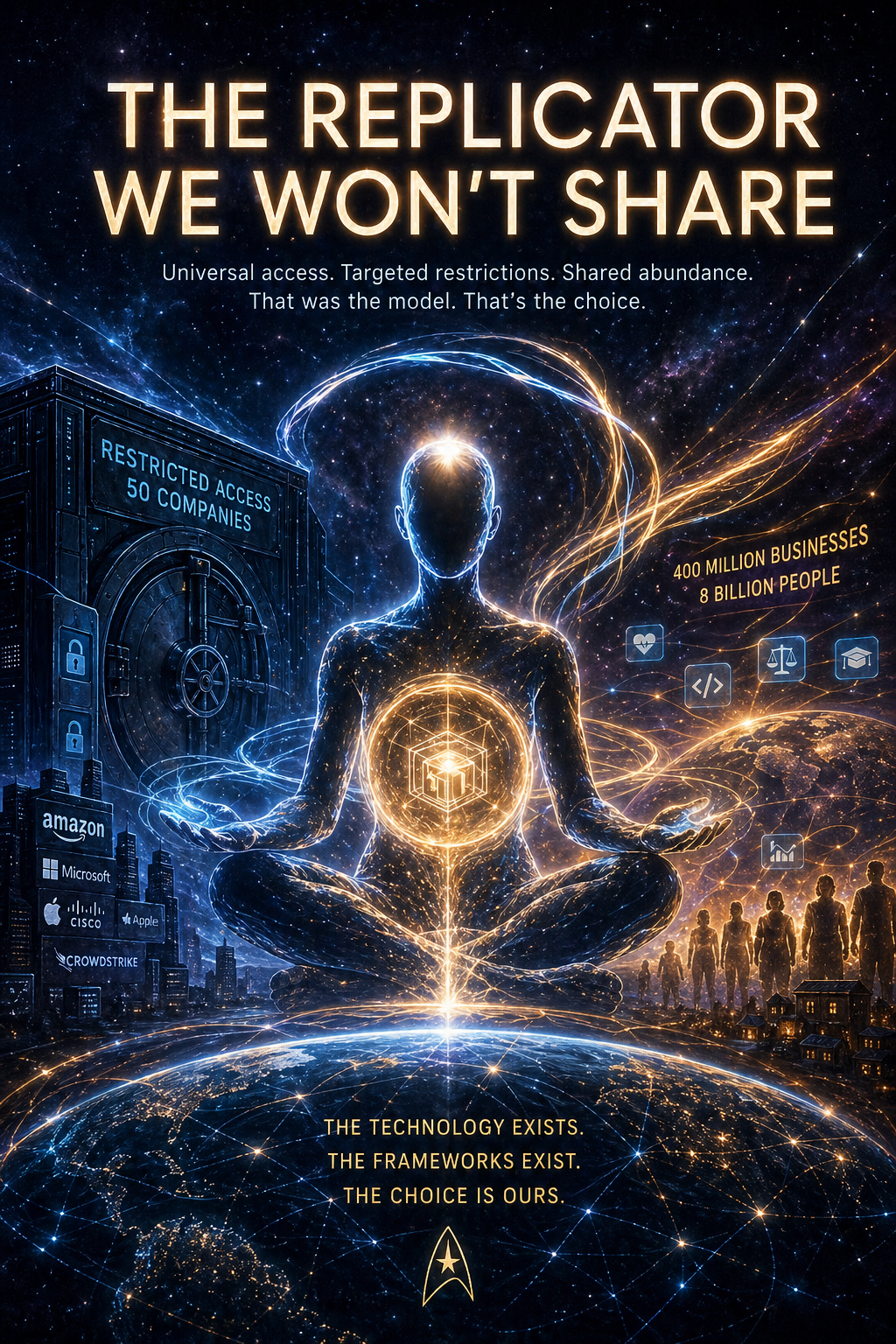
The Replicator We Won’t Share
Just as *Star Trek*'s replicator promised a world without scarcity by democratizing matter, artificial intelligence now offers to democratize knowledge, collapsing the paywalls that once guarded human expertise. But before we embrace this universal access, we must confront the critical question of whether we will wisely restrict its dangerous potentials or hoard its power for the few.